
The Villages DUI Defense Attorneys for Refusal to Test
Protecting Your Rights After a DUI Test Refusal






Refused a DUI Test in The Villages?
If you’re searching for DUI defense attorneys for refusal to test in The Villages, you may be facing both criminal allegations and administrative penalties affecting your driving privileges. A refusal case often depends on whether officers properly advised you of Florida’s implied consent law, whether your response legally constituted a refusal, and whether the underlying DUI investigation was conducted lawfully.
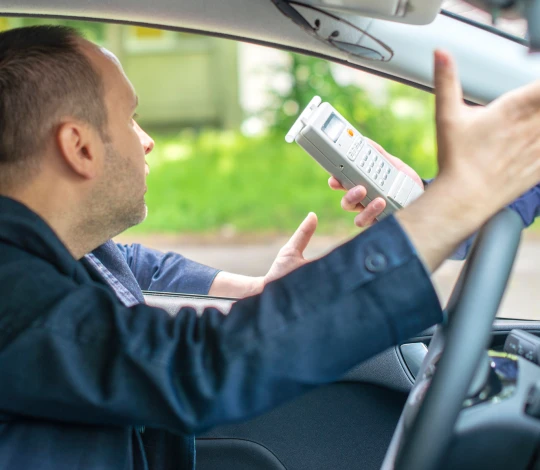
Experienced Representation for Complex DUI Refusal Cases
Our attorneys review body camera footage, dash camera video, arrest reports, witness statements, and chemical testing procedures to identify weaknesses in the evidence. Whether the goal is protecting your driver’s license, challenging the refusal, or defending the underlying DUI charge, we develop a strategy tailored to the facts of your case.

Providing Strong Legal Representation & Support in The Villages, Florida
Frequently Asked Questions
Refusing a lawful breath, blood, or urine test may result in an administrative driver’s license suspension under Florida’s implied consent law. You may also face additional consequences if the refusal is used as evidence in your DUI case.
You can refuse a chemical test, but doing so may carry legal consequences. We can explain how Florida’s implied consent law applies to your case and what options may be available.
Possibly. A first refusal may result in an administrative license suspension, while a second or subsequent refusal may carry additional penalties. We can review your case and explain the potential consequences.
In some situations, prosecutors may present evidence that you refused chemical testing. We evaluate whether the refusal and surrounding circumstances were handled lawfully.
The circumstances surrounding a refusal can matter. We review whether you were properly advised of your rights, whether the request was lawful, and whether the refusal was knowing and voluntary.
Yes. Refusing a chemical test does not automatically result in a DUI conviction. We examine the traffic stop, field sobriety exercises, officer observations, and other evidence to build your defense.
Florida’s implied consent law provides that drivers who lawfully operate a motor vehicle are deemed to have consented to certain chemical tests after a lawful DUI arrest. Refusing testing may trigger administrative penalties.
We can review the legality of the traffic stop, arrest, implied consent warning, and chemical test request, challenge improper police procedures, and work to protect your driver’s license and your future.
Defending Clients in The Villages Against Florida’s DUI Refusal Laws
Refusing a chemical test after a DUI arrest can have consequences that extend beyond the underlying impaired driving allegation. Depending on the circumstances, you may face criminal charges, administrative penalties, and immediate action against your driving privileges. Understanding Florida’s DUI refusal laws and responding quickly can make a significant difference in protecting your rights.
Whether your case proceeds through the Sumter County Clerk of Courts after booking at the Sumter County Jail or remains in its earliest stages, we work to protect your rights and pursue the strongest possible outcome.
More Than 45 Years of Combined Experience Fighting Against DUI Prosecutions
Our attorneys bring more than 45 years of combined criminal trial experience to DUI defense. We carefully examine every stage of the investigation, from the initial traffic stop and field sobriety exercises to the officer’s instructions regarding chemical testing and the events leading to the alleged refusal.
Strong Representation to Protect Your Freedom, Driver’s License & Record
A DUI refusal case can affect your employment, insurance rates, and future driving privileges even before the criminal case is resolved. We develop defense strategies focused on protecting your driver’s license, challenging the State’s evidence, and minimizing the long-term consequences of an arrest.
Can You Refuse to Do a Breathalyzer Test for a DUI?
Many drivers assume they have an unrestricted right to decline a DUI breathalyzer or other chemical test. While you may physically refuse testing, Florida law imposes legal consequences for doing so under the state’s implied consent laws. Understanding those consequences is essential before evaluating the strength of the prosecution’s case.
The State of Florida’s Implied Consent Law
By accepting the privilege of driving in Florida, motorists are generally considered to have consented to lawful requests for breath, urine testing, or blood testing after a DUI arrest. If an officer has probable cause and complies with the legal requirements, refusing the requested test may trigger separate criminal and administrative penalties. Certain situations involving property damage, bodily injury, or the requirements of Trenton’s Law may also affect how law enforcement seeks chemical evidence.
The Penalties for Refusing to Complete a Field Sobriety Test
Unlike chemical testing, a field sobriety test (FST) is generally voluntary in Florida. Drivers cannot typically be criminally punished simply for declining roadside balance and coordination exercises. However, officers may still consider the surrounding circumstances when deciding whether probable cause exists to make a DUI arrest.
Understanding Your Legal Rights Under Florida Statute 316.1939
Florida Statute 316.1939 establishes criminal penalties for certain refusals to submit to lawful chemical testing following a DUI arrest. These charges are separate from the DUI itself, meaning a person may face liability for the refusal even if the underlying DUI allegation is successfully challenged.
First-Time Test Refusal: Second-Degree Misdemeanor Carrying Up to 60 Days in Jail
A qualifying first refusal under the statute may result in a second-degree misdemeanor, which carries potential jail time, fines, and additional consequences affecting your driving privileges. Whether the statute applies depends on the specific facts of the investigation and the driver’s prior history.
Second or Subsequent Refusal: Escalation to First-Degree Misdemeanor & One Year in Jail
A subsequent qualifying refusal may be prosecuted as a first-degree misdemeanor with substantially greater penalties. Prosecutors must still establish that the statutory requirements were satisfied before a conviction can be obtained.
The Strict Liability Trap: Why You Can Beat a DUI Charge But Still Be Convicted for Refusing
Many people are surprised to learn that the refusal allegation is evaluated independently from the DUI charge itself. Even if prosecutors cannot prove impairment beyond a reasonable doubt, they may still attempt to prosecute the refusal if they believe the legal elements have been met.
Administrative Consequences: Automatic 1-Year or 18-Month Hard License Suspensions
Separate from the criminal case, the Department of Highway Safety and Motor Vehicles may impose an immediate suspension or revocation of a license following an alleged refusal. The length of the suspension generally depends on whether it is a first or subsequent refusal.
Double Whammy: How One Traffic Stop Can Trigger Two Criminal Cases
An alleged refusal may create two separate legal issues: the DUI prosecution and the refusal offense. Each proceeding involves different legal standards, defenses, and potential penalties, making a coordinated defense strategy especially important.
Strategic Legal Defense for DUI Refusal Cases in The Villages & Sumter County
Every refusal case deserves an independent review of both the criminal investigation and the administrative process. We examine whether law enforcement complied with Florida law, whether the alleged refusal was legally valid, and whether constitutional issues affect the admissibility of the evidence.
10-Day Clock: Filing for an Immediate DHSMV Formal Review Hearing to Save Driving Privileges
Following an administrative suspension, you generally have only 10 days to request a formal review hearing with the DHSMV. Acting promptly may provide an opportunity to challenge the suspension, preserve your driving privileges, and begin building your defense while the criminal case is still in its early stages.
Determining Whether Medical Conditions or Language Barriers Prevented Clear Compliance
Certain medical conditions, breathing difficulties, hearing impairments, language barriers, or misunderstandings may affect whether an individual knowingly refused chemical testing. We carefully review body camera footage, officer instructions, and medical records to determine whether the alleged refusal was legally valid.
Dismantling “Consciousness of Guilt” Arguments Presented by State Prosecutors
Prosecutors often argue that refusing chemical testing demonstrates a consciousness of guilt. We challenge those assumptions by presenting alternative explanations supported by the evidence, including confusion, medical concerns, communication issues, or procedural errors during the investigation.
Challenging the Arresting Officer’s Probable Cause for the Initial Traffic Stop
A refusal case often rises or falls on the legality of the underlying DUI investigation. We evaluate whether officers had lawful grounds to initiate the traffic stop, whether probable cause existed for the arrest, and whether the required implied consent procedures were properly followed.


Speak With a DUI Test Refusal Attorney in The Villages, FL
Refusing a breath, blood, or urine test after a DUI arrest can create legal issues separate from the DUI allegation itself. In addition to the criminal case, you may face administrative driver’s license consequences, strict filing deadlines, and other penalties under Florida’s implied consent laws. Taking prompt action can help preserve your legal options.
At Washo and Spivey, we represent clients accused of refusing chemical testing in The Villages and throughout Sumter County. We review the circumstances surrounding the traffic stop, arrest, and alleged refusal to determine whether law enforcement followed the procedures required by Florida law. Contact our office today by phone or through our online form to schedule a confidential consultation.
